
Science shows these supplements may boost mood – but most others don’t.
At AFC Fitness we’re constantly on the lookout for the latest in health and wellness. In the search for mental well-being, we hear of countless supplements and natural remedies to combat symptoms of depression and to boost mood. While the supplement aisle is vast, scientific research tells a clear, often surprising, story: only a small handful of these products offer verifiable benefits. Navigating this landscape requires focusing on evidence, and separating clever marketing from proven facts. Let’s explore what works and what doesn’t, according to peer-reviewed science.
Which supplements for depression have been proven ineffective?
Many popular health supplements, despite their general wellness claims, have shown little-to-no specific benefit in clinical trials for treating anxiety and depression.
Studies have consistently demonstrated that common supplements are ineffective as standalone treatments for mood disorders, including:
- Multivitamins (in non-deficient individuals)
- Vitamin Bs
- Calming herbal blends
- Melatonin
These supplements, while safe, do not appear to offer therapeutic effects beyond a placebo in general populations (Source: Frontiers in Pharmacology).
According to research, which supplements actually boost mood?
A few natural compounds have risen above the noise, backed by clinical evidence for their positive impact on mood regulation. These supplements may be helpful additions to a comprehensive treatment plan, but should always be discussed with a healthcare provider.
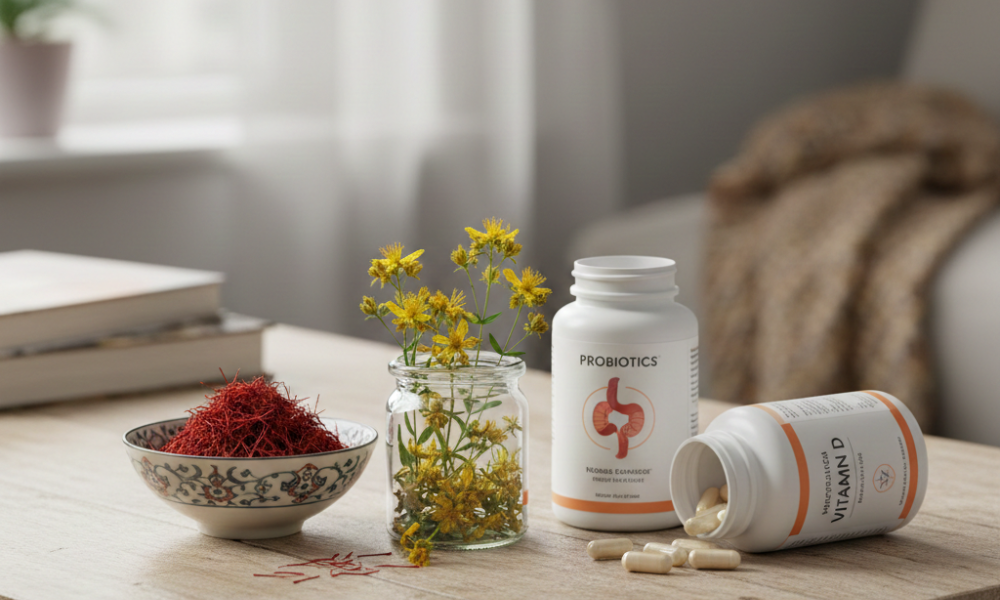
- St. John’s Wort floral extract: This is one of the most studied herbal remedies, with strong evidence supporting its efficacy for treating mild-to-moderate depression, often comparable to some prescription antidepressants (Source: BMC Medicine).
- Probiotics: Emerging research highlights the importance of the gut-brain axis. Certain strains of probiotics, particularly Lactobacillus and Bifidobacterium, have been shown to help alleviate depression symptoms, suggesting a microbial link to mental health (Source: Nature Translational Psychiatry).
- Vitamin D: For individuals with a diagnosed Vitamin D deficiency—which is common and associated with a higher risk of depression—supplementation can significantly improve mood and overall mental health.
A Note on Safety: While supplements can be a powerful tool, they are not regulated like pharmaceuticals. St. John’s Wort, for example, can interact dangerously with many medications, including birth control and conventional antidepressants. Always consult with a doctor before starting any new supplement regimen to ensure it is safe and appropriate for your individual health needs.
Personal Training and Nutritional Counselling
Nutrition is a cornerstone of wellness. Many AFC Fitness Personal Trainers are also Certified Nutrition Coaches, providing you with a single resource for your fitness and nutrition needs. They work with you to create sustainable eating habits that support your fitness goals, boost energy, and improve overall health. Whether you’re looking to lose weight, build muscle, or simply feel better, our team is here to guide you with expert advice and strategies that get results. Start a Free 30 Day Trial today or contact our personal training team to begin your wellness journey.